


 ITA
ITA
 FRA
FRA
 ESP
ESP
 DEU
DEU
 CH
CH
 POL
POL
 NED
NED
 LIT
LIT
 HUN
HUN
 CZE
CZE
 SWE
SWE
 TUR
TUR

Sectors of use
Application sectors


The glues and adhesives used in industrial processes have very different characteristics. Some products have high viscosity, whilst others contain solid fillers or tend to form deposits and surface films when exposed to air. For this reason, peristaltic pumps are a particularly suitable solution for metering glues, adhesives and other viscous bonding liquids, as the product comes into contact only with the pump tube, without passing through valves, mechanical seals or other components subject to wear or blockage. This operating principle allows the fluid to be handled gently, preserving its properties and eliminating the risk of contamination.
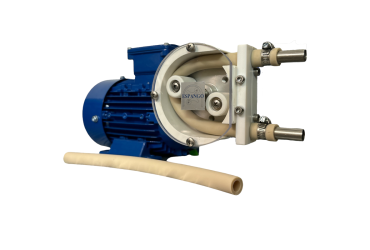
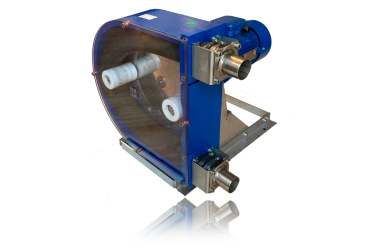
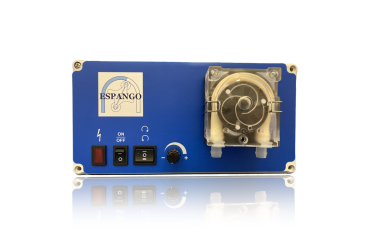
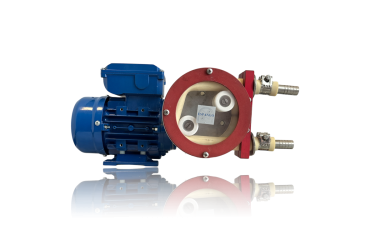
Espango peristaltic pumps are used in numerous industrial applications for the dosing and transfer of vinyl glues, water-based adhesives, dispersions, latex and other products used in packaging lines, paper converting, paper production, packaging machinery and all plants requiring such applications. Depending on the application requirements, the range includes OEM peristaltic heads for on-machine integration, IPL Series bench-top pumps and IPI Series industrial peristaltic pumps for high flow rates and continuous operation.

The choice of the most suitable configuration depends on the product’s characteristics, the required flow rate and the conditions under which the dosing or transfer is to be carried out.
Products that can be handled include vinyl glues, water-based adhesives, dispersions, latex, certain types of lacquers and other fluids used in bonding and packaging processes. Depending on their formulation, these products may have high viscosity, contain particles or solid fillers, or change their properties when exposed to air.
The operating principle of the peristaltic pump is particularly useful in these applications because the product remains confined within the pumping tube. It does not pass through valves, mechanical seals or pumping chambers and therefore does not come into contact with the pump’s mechanical parts. This makes it possible to handle even products that might cause blockages or require frequent cleaning.
For more viscous adhesives, it is also important to consider the pump’s suction capacity and the length of the suction hose, whilst for products containing solid particles, it is necessary to assess the compatibility of the hose and the pump configuration in relation to the size and quantity of the particles present.
The choice of pump hose is therefore one of the most important aspects of the application. Different materials and compounds can be used depending on the chemical composition of the adhesive, the operating temperature and the working conditions. For this reason, Espango can configure the pump with different types of hose, identifying the solution best suited to the product to be handled.
The choice of pump for dosing or transferring an adhesive does not depend solely on the required flow rate. The product characteristics and operating conditions must be assessed together to identify the most suitable configuration.
1. Viscosity is one of the first parameters to consider. A highly viscous adhesive requires a pump capable of drawing in and transferring the product without compromising the continuity of the flow. The distance between the tank and the pump, as well as the diameter and length of the suction pipe, can also affect the system’s performance.

2. Another important aspect is the presence of particles, charged particles or solid agglomerates. Some adhesives and dispersions may contain solid materials or develop deposits during the process. In these applications, the peristaltic principle offers an advantage because the product is conveyed within the tube, without passing through valves or other narrow passages that could lead to blockages.
3. The tendency of the adhesive to dry out or form a film when it comes into contact with air must also be taken into account. This behaviour can make it more difficult to shut down and restart the system. With a peristaltic pump, the product remains confined within the pump tube and does not come into contact with the pump’s mechanical parts.
4. Finally, the chemical compatibility of the hose is a key factor. The hose material must be suitable for the adhesive formulation, the operating temperature and the expected frequency of use. Choosing the right hose helps to maintain a constant flow rate and ensure a longer service life for the component.
For this reason, when selecting a pump for glues and adhesives, it is necessary to take into account the product type, viscosity, the presence of any solids, flow rate, suction conditions, temperature and hose compatibility all at the same time.

The operating principle of peristaltic pumps is particularly simple. The rotor progressively compresses the Teknoprene® pumping tube, creating a pressure zone that pushes the product forwards. As the rollers rotate, the tube is subsequently released and returns to its original shape, allowing a new quantity of fluid to be drawn in.
The product therefore remains confined within the tube for the entire duration of the pumping cycle and does not come into contact with the rotor, the rollers or any other mechanical components of the pump. This feature is particularly useful when dispensing glues and adhesives, as it reduces the risk of contamination and minimises problems associated with residues, deposits or product tending to dry out inside the pump.
The quantity of product transferred with each rotation depends on the geometry of the head, the tube used and the rotational speed. By varying the pump’s speed, it is therefore possible to adjust the flow rate to suit the requirements of the machine or process.


The most suitable pump depends primarily on the quantity of product to be dispensed or transferred, the required precision and the way in which the pump is to be integrated into the system. For this reason, Espango offers a range of configurations, from small peristaltic pumps designed to be integrated directly into the machine to industrial peristaltic pumps for the continuous transfer of large quantities of product.
For micro-dosing and integration into automatic machines, OEM peristaltic pump heads enable the creation of compact systems that can be easily adapted to the machine’s requirements. They are ideal when the pump needs to become an integral part of the system and when low flow rates are required.
Where, on the other hand, a complete, self-contained pump is required, with simpler control and operation, and not necessarily intended for integration into the machine, the IPL Series bench-top peristaltic pumps offer a versatile solution. They can be used for dispensing glues and adhesives in the laboratory, in process trials, or on automated systems requiring a compact and easily installable pump.
For the dosing of adhesives, glues and other viscous products in industrial applications, the IPI Series peristaltic pumps are designed to handle higher flow rates and continuous operation. The ability to choose from different tubing configurations and to adapt the pump to the operating conditions means they can be used both to feed a machine and to transfer the product from a tank to another part of the plant.
The choice of pump must therefore be made by considering not only the flow rate, but also the characteristics of the adhesive, the suction and discharge distances, the operating frequency and the type of integration required.
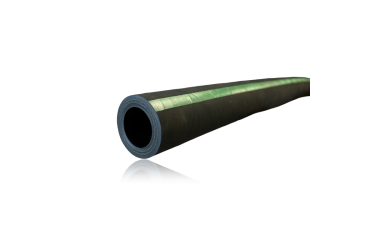
In peristaltic pumps, the tube is the only component that comes into direct contact with the product. For this reason, when dispensing or transferring a glue, adhesive or other bonding agent, the choice of tube is just as important as that of the pump.
In fact, there is no single material that is universally suitable for all glues and adhesives. Compatibility must be assessed based on the product’s chemical composition, viscosity, operating temperature, the presence of any particles and the pump’s operating conditions.
For industrial applications, Espango manufactures various types of tubing, including Teknoprene® TPV, a high-quality vulcanised thermoplastic rubber, as well as tubing made from EPDM, natural rubber and braided rubber. The choice is made based on the fluid to be pumped and the characteristics required by the application.
Teknoprene® TPV has unique properties that make the hoses both chemically and mechanically resistant, as well as elastic and flexible. The hose’s formulation and its ability to withstand repeated compression by the rollers are also important factors in ensuring an adequate service life in peristaltic operation.
In the case of glues and adhesives with specific characteristics, it is nevertheless necessary to check the compatibility of the material with the specific product. Even products belonging to the same category may, in fact, have very different formulations and behave differently during pumping.
For this reason, when selecting a hose, it is advisable to consider not only the type of adhesive, but also the required flow rate, the working pressure, the number of operating hours and the frequency of use of the pump.

In packaging machinery and the paper converting sector, they can be used, for example, to feed gluing systems, transferring the adhesive from the tank or storage container to the point of application. The flow rate can be adjusted according to the quantity of product required by the machine and the line speed.
Another application involves dispensing adhesive directly onto the surface. In such cases, the pump can be integrated into the machine or mounted on it, and can be controlled to dispense drops of adhesive onto the products to be bonded, as in gluing or packaging machines.

The pumps can also be used for the transfer and decanting of adhesive liquids. Their reversibility allows the direction of rotation of the pump to be reversed when necessary.
These solutions are used in various industrial processes, including the production of cardboard packaging, paper converting, labelling, packaging lines and the entire packaging sector.
The pump configuration is determined by the required function: for micro-dosing and integration into machines and systems, OEM peristaltic pumps can be used, whilst for applications requiring a complete pump to be fitted directly onto the machine, IPL bench-top peristaltic pumps are available; for higher flow rates and continuous operation, the IPI Series industrial pumps are available.
The choice depends on the viscosity of the product, the required flow rate and the suction and discharge conditions. Peristaltic pumps can also be used with viscous adhesives, but it is important to select the correct tube and pump size based on the characteristics of the product and the system. For higher flow rates and continuous transfer, industrial peristaltic pumps from the IPI Series can be used.
Yes. The peristaltic principle allows even fluids containing particles or solid fillers to be handled, as the product remains confined within the tube and does not pass through valves or narrow passages. However, the choice of tube and pump configuration must take into account the quantity, size and nature of the particles present in the adhesive.
The tubing material must be selected according to the adhesive formulation, temperature and operating conditions. Espango offers tubing in various materials, including Teknoprene® TPV, EPDM, natural rubber and braided rubber. Compatibility with the specific product must be verified before finalising the pump configuration.
Yes. Industrial peristaltic pumps can operate continuously and feed adhesive application systems whilst maintaining an adjustable flow rate. The configuration must be selected according to the required flow rate, the line speed and the characteristics of the adhesive. The ability to adjust the pump speed also allows the dispensing rate to be adapted to different production conditions.
Yes. Peristaltic pumps can operate in both directions, allowing the same pump to be used to recover the product from the tubing. This feature can be useful during machine shutdowns, product changes or maintenance, particularly with adhesives that tend to leave residues or dry out if left in the circuit for a long time.
Do you need to dispense or transfer an adhesive using a peristaltic pump?
The choice of pump depends on the characteristics of the adhesive, the required flow rate and the operating conditions. If you have already identified the product to be handled, please contact us here: we can work with you to assess the pump and tubing configuration best suited to your application.
Discover all the solutions that might be right for you here
Peristaltic pumps for UV, water-based and pigmented inks

